

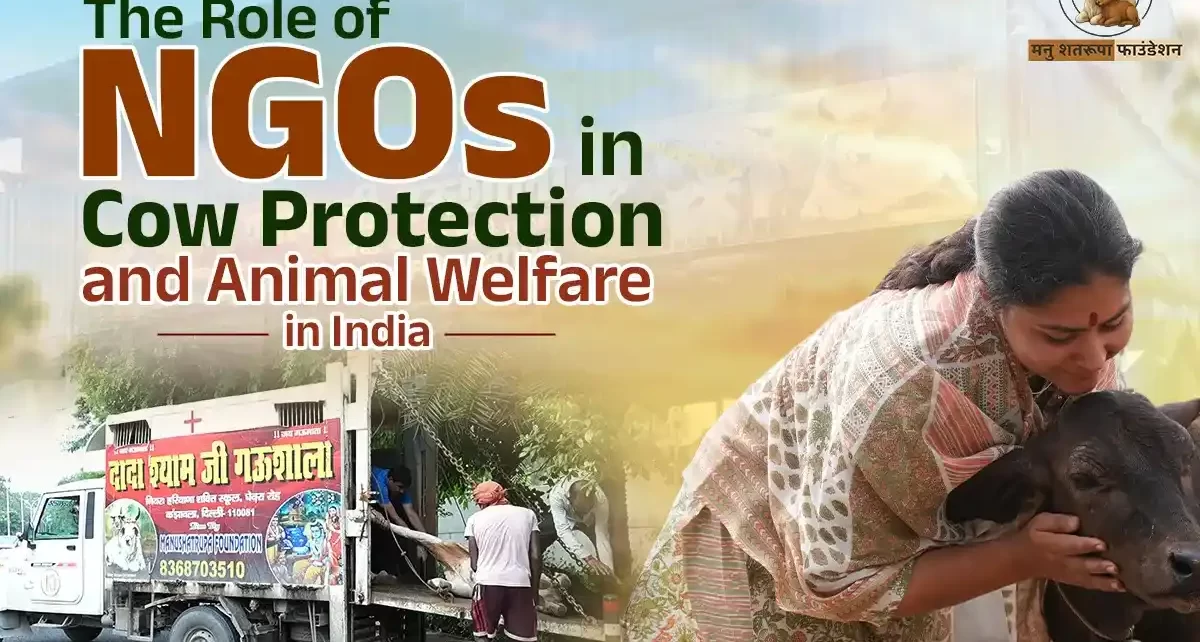
Animal respect and its importance in life is not a new aspect in India. The cow is an integral part of Indian traditions, and animal welfare is an important aspect of the formation of a caring and responsible society. But many cows end up with problems like being abandoned, injured, not getting enough food, not having adequate shelter, and not receiving timely veterinary care. These difficulties require a concerted effort from individuals, communities, government, and non-governmental organizations (NGOs).
In India, NGOs have significant contributions to make towards protecting cows and animal welfare. These groups work to improve the lives of vulnerable animals in a number of different ways – they rescue animals, they provide veterinary care, they manage shelters, they educate the public about animals, and they work with the community. They also encourage others to understand that animal protection is an ongoing process, takes responsible action, and is an ongoing commitment.
National Dairy Development Board is the most influential organisation in the dairy sector in India.
Cow protection is a concept that makes cows feel safe, secure, and at ease and provides the opportunity for them to feed, sleep, have a place to go, and receive medical treatment without being neglected or abused. Animal welfare is an umbrella term that includes the humane treatment of all animals, street dogs, cats, birds, and other vulnerable animals.
There are numerous cases of injured, abandoned, and sick animals in India, and the animal welfare groups have limited resources to address these issues. They might be tasked with saving animals from perilous circumstances, organizing veterinary care, aiding animal shelters, and promoting animal care among communities.
Shelter is not the only solution to cow protection. They should also be fed and provided with clean drinking water, as well as a proper living space, a disease-free environment, and regular medical care.
1. Rescuing Injured and Abandoned Cows
The most significant work is to save injured, orphaned, or unsuitable-for-safe-living cows. Certain animals are injured in road traffic crashes; other animals are ill, their health is weakened, or their health is neglected.
NGOs can organize a rescue team, transport, and get in touch with veterinarians to provide proper treatment. When cows are injured, they need to be handled with care, wounds treated, medicines administered, and they need to be placed in a safe environment to rest and heal.
Early intervention can help minimize suffering and enhance the chances for recovery in the animal. Local communities, vets, and rescuers can work together to make efforts more effective.
2. Water, Food, and Clean Water.
The well-being of rescued cows relies on a safe shelter. NGO-supported gaushalas and animal care centers can help keep animals safe from extreme weather, unsafe roads, and other environmental hazards.
There should be sufficient space, ventilation, clean resting places, and clean surroundings in these facilities. Cows need good feed and access to clean drinking water at all times, as well.
The food, staff, sanitation, veterinary, and maintenance costs of a shelter are ongoing expenses. Improved living conditions for animals can be achieved with donations and community support to help organizations address these needs.
3. Making arrangements for Veterinary Care and Medical Treatment
Cow protection is another important aspect of medical assistance. Cows can become infected, injured, develop digestive problems, suffer from nutritional problems, and other health issues that need the care of a professional.
Animal welfare groups can provide veterinary consultations, diagnostic examinations, treatment, and post-treatment care. They can also be used to aid with vaccination and preventative health care programs under veterinary supervision.
Prompt identification of health issues is crucial since untreated health problems can become more complicated. Building a relationship with a qualified veterinarian and keeping records of medically appropriate care in an organized and helpful way can help an organization provide more effective and organized care.
Responsible animal welfare also implies using special treatment where it is needed instead of just following the usual methods or unverified animal welfare tips.
4. To raise awareness of animal welfare
Improving animal welfare for the long term will require public awareness. NGOs can conduct educational sessions, community gatherings, school events, and digital awareness campaigns on the significance of kindness towards animals.
Individuals can learn how to report injured animals, how to avoid causing unnecessary injury, and how and where to seek assistance in the event of an animal in distress.
Awareness programs are also intended to promote good feeding habits. For instance, do not leave plastic, spoiled food, or hazardous materials in places where animals can eat them.
Educating the community is one approach by which NGOs can build an environment in which animal welfare is the responsibility of the community, and not just a few.
5. Promoting donations and engagement from the community.
There are financial requirements, volunteers, equipment, food, and medical support that are required for the protection of the cows. NGOs rely on the financial contributions of their donors and the cooperation of their community.
There are several ways people can contribute:
- Giving money for cows’ feed and water to drink.
- To assist the vet and rescue efforts.
- Supplying bedding, cleaning materials, and other necessities.
- Donating money to animal shelters.
- Providing accurate information on animal rescues.
- Facilitating awareness-raising and responsible adoption programs as needed.
Small donations can make a big difference when they’re meant to be used for a need. It is important for the individual to confirm that the organisation has the correct identity, understand what the donation is going for, and read the information available about their activities prior to a donation being made.
Public trust and continued participation are fostered through transparent reporting and responsible financial management.
6. Promoting Indigenous Cow Breeds and Sustainable Management
India has some indigenous cattle breeds which are a part of its agricultural and cultural heritage. Proper nutrition, veterinary treatment, and adequate shelter can help ensure the health and welfare of these animals by engaging in appropriate animal welfare programs.
NGOs can also inform farmers and communities about proper cattle management and living conditions for cattle.
But conservation of a breed must always be coupled with good stewardship of animals. No cow, no matter her breed, her age, or her productive capacity, deserves to be treated inhumanely or to be neglected in any way. Long-term planning is especially important when the animal is old, disabled, abandoned, or can’t be used for economic gain.
7. Interacting with communities and local authorities
No single animal welfare organization is able to solve all issues on its own. Collaborating with local authorities, local veterinary services, community groups and other animal protection groups can enhance the way rescues are coordinated and access to professional help.
If residents notice a cow is injured, for instance, they can contact the animal rescue service appropriate to the situation. The organization can then arrange for the assistance to be provided by the veterinarian or relevant authority.
Partnerships can also support the organizations to enhance emergency response, share resources, and determine other health care or shelter needs.
To ensure rescue and care activities are carried out responsibly, it is important to follow applicable animal welfare laws and local procedures.
8. Difficulties experienced by Cow Protection NGOs
Many NGOs are beset by numerous challenges despite their efforts. Lack of resources can make it challenging to offer sufficient food, medicine, shelter, and staffing. Lack of qualified personnel may also impact the speed and effectiveness of rescue efforts.
Some of the other issues are the rising demand for veterinary services, lack of infrastructure, misinformation among the people, and the continuing expenses of maintaining animals that require extended care.
These challenges can be mitigated by better coordination between communities, clear fundraising, better training for volunteers, partnerships with veterinarians, and public awareness.
There are a number of ways people can contribute to protecting animals, including reporting real cases, responsible giving, and supporting groups that pledge to be responsible in their animal-related practices.
What can be done by individuals for the protection of cows in India?
Everyone can make an impact for the animals around them by taking action in a practical and responsible way. One can support a verified gaushala, provide needed items to it, volunteer their time, or contribute information that will serve to spread accurate information about animal rescue.
If someone does come across a broken cow, they should contact the local animal rescue group, veterinarian, or other appropriate person. They must not attempt to treat it or move it without permission, and should seek professional help, particularly if it is seriously injured or upset.
People can further contribute to the prevention of animal suffering by dealing appropriately with plastic waste, keeping public places clean, and advocating for humane treatment of animals in the community.
Even small actions, but done consistently with the help of care and cooperation in the community, can have a significant impact.
Conclusion
In India, NGOs have a significant role to play in cow protection and animal welfare activities, and they save the lives of helpless animals, provide shelter, medical care, and awareness among the communities about the responsibility of cows. They work more effectively with clear donations, trained volunteers, veterinary personnel, and when they work in partnership with local authorities.
Cow protection does not happen just once—it happens every day of an animal’s life when it is fed, watered, cared for, and makes its home. Everyone can help through responsible giving, volunteering, and raising awareness about humane treatment of animals.
At the Manu Shatrupa Foundation, we contribute to the overall work of Gau Seva and compassion for the animals. The mission of the foundation speaks to the importance of creating a safer and more caring environment for cows and other animals in need by fostering awareness, responsible participation, and support for true cow care programs.
Frequently Asked Questions (FAQs)
Explain the role of NGOs in the protection of cows in India.
NGOs do so by rescuing, providing shelter for, feeding, providing veterinary care to, creating awareness about, and engaging with communities to protect cows. Their activities are based on their resources, facilities,s and organizational goals.
What types of work do NGOs do for injured and abandoned cows?
They could transport animals to rescue, contact vets, administer medical care, and transport them to appropriate shelters for further care and recovery.
What are ways that I can help with the welfare of cows?
Financial and material support can be given to an animal welfare organisation through authorised channels, or by providing shelter materials or medicines for animals. Always look at the credibility of the organisation and the donation procedure.
Why is a cow’s health important to its protection?
Veterinary care is used to diagnose disease, treat injuries, prevent diseases, and aid in the recovery and maintenance of the health of cows.
Is there a possibility for citizens to volunteer with animal welfare organizations?
Yes. Volunteers can assist with feeding, cleaning, awareness activities, administration, fundraising,g or other approved activities depending on an organisation’s needs.
What is a good way to locate a reliable cow protection NGO?
Watch for clear organizational information, transparent donation information, evidence of actual animal care activities, and responsible communication. If applicable, double-check registration information and financial paperwork before donating.
What is the difference between Cow protection and animal welfare?
Cow protection is protection specifically for the safety, health, and care of cows. Animal welfare is the humane treatment and welfare of all animals – not just those kept as pets.


