

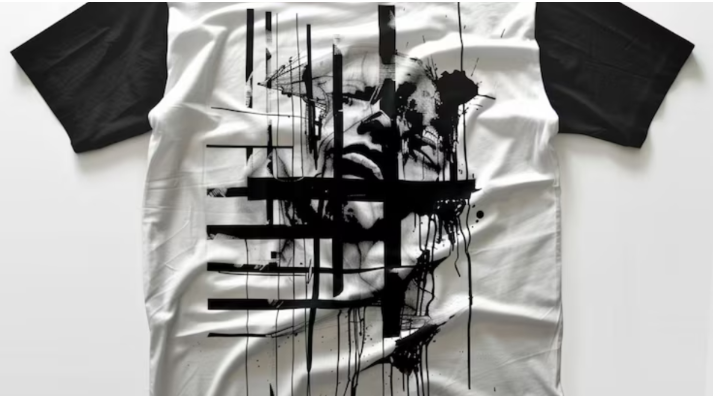
Custom t-shirts are everywhere: family reunions, charity runs, company onboarding kits, school clubs, band merch, and small business uniforms. What used to require visiting a print shop with a sketch can now be done from your laptop in an afternoon.
Still, the ease of online ordering hides a few decisions that make the difference between a shirt people love and one that’s never worn. This guide walks through the process from first idea to finished order.
Step 1: Define the Purpose
Before opening a design tool, answer three questions:
- Who will wear it? Kids, adults, athletes, staff, or customers?
- Where will it be worn? Once at an event, or regularly at work or the gym?
- What’s the budget per shirt?
A one-day event tee and a retail-quality merch shirt need different fabrics, fits, and print methods. Knowing your goal makes every later decision easier when you make custom T-shirts online.
Step 2: Choose the Right Blank
The “blank” is the shirt itself before decoration. Common options include:
| Fabric | Feel | Best For |
|---|---|---|
| 100% cotton | Soft, classic, breathable | Everyday wear, events |
| Cotton/poly blend | Soft, less shrinkage | Uniforms, frequent washing |
| Tri-blend | Very soft, drapey | Retail merch, fashion |
| Performance polyester | Lightweight, moisture-wicking | Sports, runs, outdoor work |
Also consider fit: classic, modern, women’s cut, and youth sizes all affect how good the shirt looks on different wearers. Choosing the right blank is one of the most important decisions when you make custom T-shirts online, since fabric affects both comfort and print quality.
Step 3: Prepare Your Artwork
Good artwork is the foundation of a good print. Keep these tips in mind:
- Use high-resolution files. Vector formats such as AI, EPS, SVG, or high-resolution PDFs scale cleanly.
- Limit colors where possible. Fewer colors can reduce cost for some print methods.
- Check contrast. Dark ink on dark fabric disappears.
- Mind the size. Typical front prints are larger than left-chest logos, so design for the space.
- Avoid tiny text. Fine lines and small fonts can blur.
Most platforms that let you make custom T-shirts online include a design tool where you can upload files, add text, and preview placement.
Step 4: Pick a Print Method
Different decoration methods suit different designs and quantities.
- Screen printing: Ink is pushed through a stencil for each color. Durable, vibrant, and cost-effective for larger orders with limited colors.
- Direct-to-garment (DTG): Prints like an inkjet directly onto fabric. Great for full-color, detailed designs and small quantities.
- Direct-to-film (DTF) and heat transfers: Designs are printed on film and heat-pressed. Flexible across fabrics and good for full color.
- Embroidery: Thread stitched into the fabric. Premium look for logos, though less common on lightweight tees.
The industry organization PRINTING United Alliance offers resources on modern printing technologies for anyone who wants to understand how these methods compare.
Step 5: Preview, Proof, and Approve
Never skip the proof. Check:
- Spelling and dates
- Logo size and placement
- Ink and shirt colors
- Front, back, and sleeve layouts
Ask for a digital mock-up and, for large orders, consider a sample. When you’re ready to start designing, you can make custom T-shirts online by choosing a shirt style, adding your artwork, and reviewing a live preview before ordering.
Step 6: Get Sizes and Quantities Right
Sizing problems cause more frustration than almost anything else. To avoid them:
- Collect sizes from wearers rather than guessing
- Check size charts for each style
- Order a few extras in common sizes
- Include youth or women’s cuts where needed
Groups that make custom T-shirts online often use a simple form to gather sizes before ordering.
Step 7: Plan Your Timeline
Production and shipping take time, especially during busy seasons like spring events and back-to-school. Place your order well before your deadline and leave time for proofs and potential corrections. People who make custom T-shirts online at the last minute often pay more for rush shipping.
Common Mistakes to Avoid
- Using low-resolution images pulled from the web
- Choosing ink colors with poor contrast
- Ordering without approving a proof
- Forgetting about sizing variety
- Picking the cheapest blank for shirts meant to be worn often
Avoiding these is the easiest way to make custom T-shirts online that people actually wear.
Making Your Shirts Memorable
Small details elevate a design: a sleeve print with the date, a meaningful back design, or a custom neck label for merch. When you make custom T-shirts online for a group, involving a few members in design choices builds excitement and makes people more likely to wear the shirt again.
Caring for Custom Prints
Share simple care tips with recipients: wash inside out in cold water, avoid high dryer heat, and skip ironing directly on prints. Good care keeps designs looking fresh much longer.
Conclusion
Designing custom tees online is easier than ever, but great results still come from thoughtful choices. Define the purpose, choose the right fabric and fit, prepare clean artwork, match the print method to your design, approve a proof, and plan sizes and timelines carefully. Follow these steps and you’ll end up with shirts people are genuinely happy to wear.


