

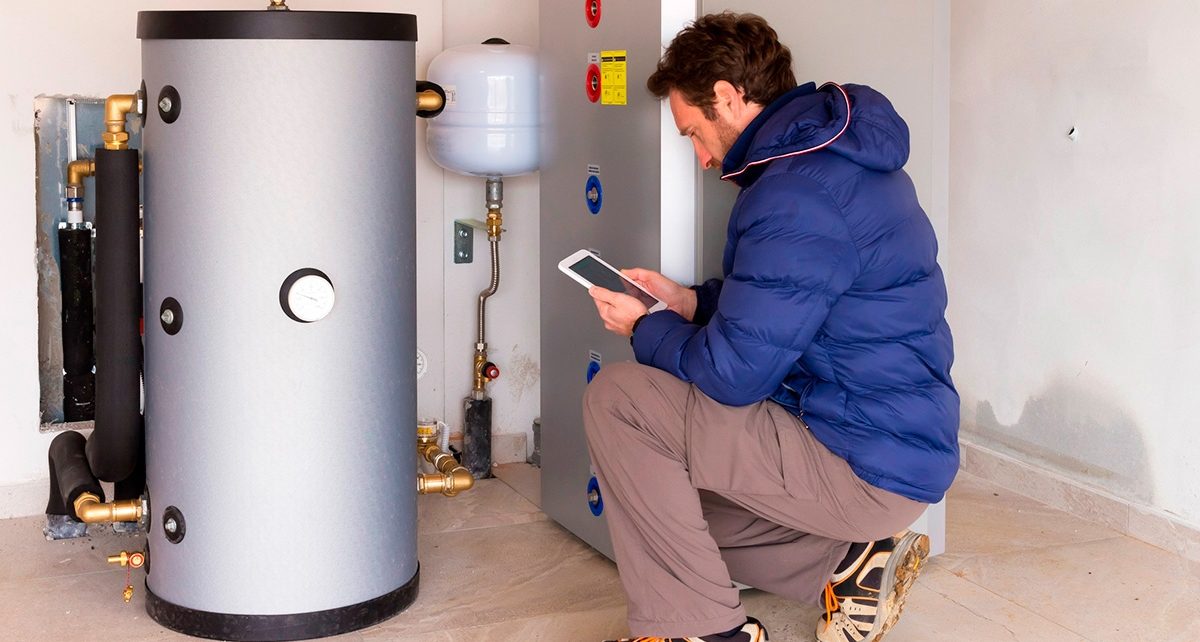
Ever been in the shower, expecting a nice warm start to your day, and get blasted with ice-cold water? Or maybe you’ve been seeing your energy bills steadily rise for no apparent reason? Perhaps your hot water heater makes an unusual noise that you didn’t experience before?
We don’t often think about it until things go wrong—until it suddenly becomes a problem. In fact, Australians only think about their hot water system when they get a surprise in the shower, or when there’s water in their laundry.
Here are some of the symptoms that you will receive from your hot water system that you should seek professional help for. You’ll know how to identify signs of trouble early on, when to repair and when to upgrade, and you’ll find some practical tips to help prolong your system’s life. If the temperature’s a problem, the noise is a problem, or the leak is a problem, we’re here for you. Let’s get stuck into it.
How Long Should a Hot Water System Last?
Knowing what your system should be able to do will help you understand what to look for if something is wrong. In Australia, the average hot water service lasts between 8 and 15 years, depending on the type and how well it’s maintained.
Electric storage systems typically last 10 to 15 years, while gas systems typically last about 8 to 12 years. Although the initial investment is higher, solar hot water systems can last 20 years or more if maintained properly. The average lifespan for heat pump systems is in between, ranging from 10 to 15 years.
There are some factors that can impact the life of your system. Water quality is a major factor – areas with hard water can result in mineral build-up, which can drastically reduce lifespan. The quality of installation is also important, as is the number of times the unit is serviced. The performance is also influenced by climate conditions in various regions of Australia – areas on the coast have accelerated corrosion from salt air effects.
Warning Signs Your Hot Water System Needs Servicing
Temperature Fluctuations and Inconsistent Heating
No one wants to have to deal with erratic water temperature. If the hot water is not getting hot enough or the hot water is not lasting as long, there’s a problem.
What is preventing my hot water from heating up? This may indicate a thermostat problem, a broken heating element or sediment in your tank. It may be a sign of a problem with the pilot light or burner assembly in gas systems.
Why does hot water take a short time to flow out? Sediment buildup reduces tank capacity; a broken dip tube or a poor heating element are possible causes. If your family has increased in size but the system is not, you may just be running out of capacity from the existing unit.
Strange Noises Coming From Your System
You shouldn’t hear your hot water system talking to you. When your tank makes banging, popping or rumbling sounds, it’s usually a sign of sediment buildup at the bottom of the tank. The water under this layer of minerals is getting hot and making these sounds.
When do you need to worry about “noisy pipes”? If sounds occur occasionally, they may not be considered an emergency, but if sounds are occurring over time or getting worse, it may be time for a professional inspection. If you do not maintain your tank, sediment will accumulate; this will decrease efficiency and will eventually cause it to fail.
Discoloured or Smelly Water
If the hot water comes out rusty or brown, it’s a bad sign. Generally, it indicates corrosion in pipes or in the tank. If hot water is discoloured and cold water is clear, it’s almost certain to be a problem with your hot water system.
That noxious stench in your hot water? Usually due to the reaction of bacteria and the anode rod within your tank. While not usually dangerous, it’s unpleasant and indicates your system needs attention. A professional is able to install the anode rod or can treat the bacteria to fix the problem.
Visible Leaks and Moisture Around the Unit
If you notice early signs of leaks, you can avoid a lot of water damage. Inspect periodically for water collection, moisture or rust around the base of your unit. Don’t overlook a small drip from a valve or connection.
Is a leaking hot water system a safety hazard? Leaks are not immediately dangerous, but they can lead to water loss and mould growth, as well as structural damage. If there is a leak from the tank itself, it’s likely that it needs replacing, not fixing, because it is probably a sign of corrosion inside the tank.
Increased Energy Bills Without Explanation
Hot water is about 25% of the total energy consumed in Australian homes. If your bills have increased but your usage is the same, you may have a hot water heater that is operating more intensely than it is necessary to.
An inefficient system has a hard time keeping its temperature, runs constantly and wastes power or gas. This efficiency loss could result from sediment buildup, damaged parts or because of old age.
How Often Should a Hot Water System Be Serviced?
Every 2 to 5 years, depending upon your system type and water quality, is the time for professional servicing, as it is for Australian homes. A gas system will require more regular maintenance than an electric storage system.
A professional hot water service typically includes checking the anode rod, testing the pressure relief valve, inspecting for leaks or corrosion, flushing sediment from the tank, and testing thermostat accuracy.
Professional services are required for more advanced maintenance, but simple ones can be done yourself. Check the pressure relief valve for operation every six months by raising the lever for a few seconds; water should flow freely. Ensure a clear area around the unit and regularly check for any leaks or corrosion visually.
Finding a Qualified Hot Water Specialist
Only hire a licensed plumber who has experience with hot water. Hot water installation and repairs in Australia should only be done by a qualified professional; it is not a DIY task.
Inquire with prospective plumbers about their expertise with your system, the warranties they provide on their job and ask for a detailed written estimate before they start anything.
Don’t Wait Until You’re Left in the Cold
Your water heater has numerous warning signs before it actually fails. These are all red flags to watch for and should not be ignored.
This will help you save money, avoid any inconvenient vehicle breakdowns and keep your home safe from water damage. Ongoing maintenance gives your system a longer life and helps maintain its performance.


