

We all know that the gut is where our food is digested and broken down so that we can absorb the nutrients and energy we need to continue our daily lives. Despite this, I still don’t think the gut gets enough credit. Because, in actual fact, it does a lot more than just break down our food; it plays important roles in our immune system, affects our mood and psychology, and even has a strong link to our skin care.
As a result, when our guts are in good shape, so are we – generally speaking. But when it isn’t, we tend to feel the effects creeping into other aspects of our health. The upside is that keeping your gut healthy is well within your own control, and it’s probably more straightforward than you think. No need for any crazy diets or extreme fasting; just the odd adjustment here and there.
Increase Your Fibre Intake
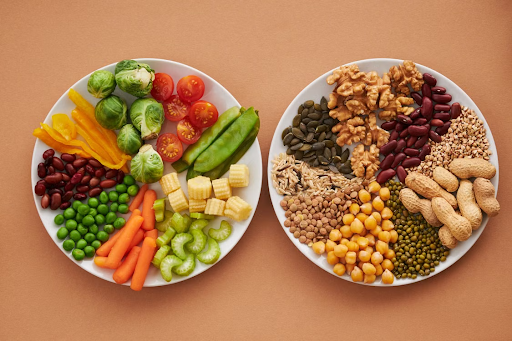
Fibre is an essential nutrient that can be found in fruit and vegetables, like tomatoes, broccoli, and kiwis, as well as legumes, grains, nuts, and seeds. Despite being so widely available in so many different food groups, only a small proportion of us are actually hitting our recommended intake every day. But what makes fibre so important for gut health?
Well, if the microbiome is a bustling ecosystem, home to trillions of helpful bacteria that break down our food, fibre is the fuel that they need to do their jobs. It is also worth noting that there are two different types of fibre: soluble and insoluble. Put simply, soluble fibre is better for regulating digestion and blood sugar levels, while insoluble fibre is what improves the consistency of bowel movements and makes them easier to pass.
If your fibre intake is currently low, we’d recommend easing yourself into a higher fibre diet. If you rush in too quickly, then there’s a higher chance you’ll experience bloating and discomfort, so try to increase your fibre intake more gradually, over the course of a week or so.
Try Fermented Foods
Fermented foods are great for your gut because they are natural sources of probiotics – a type of bacteria that improve the diversity of gut bacteria in the microbiome, and the amount of ‘good’ gut bacteria as a whole.
This is important because with so many ultra-processed foods available these days, we’re all more prone to inflammation and irritation, which is often caused by having an overabundance of ‘bad’ gut bacteria in the microbiome.
The good news here is that you won’t need to eat a lot of fermented foods to see a noticeable difference. If you manage to implement just a small serving every day into a balanced diet, you’ll have enough to improve your gut diversity. If you’re wondering what the best fermented food sources are, then you won’t have to look far. You can try adding kimchi and sauerkraut to meals, or try kefir yogurts if you’d prefer it as a quick snack.
Drink Enough Water
Drinking enough water is one of the fastest ways to start seeing a positive difference to your health as a whole, let alone your digestive system. That’s because we rely on water to break down our food, absorb our nutrients, and to keep those bowel movements moving through the digestive tract. Those who are more cavalier about their hydration and only really notice it when they’re really thirsty are also the ones who are most likely to experience constipation and stomach cramps.
Have a Consistent Sleep Schedule
Now, I understand if you don’t typically associate sleep and gut health, but rest assured, the two are deeply connected. Sleeping regularly improves digestion by regulating our hormones for hunger and fullness: ghrelin and leptin. On top of that, if you go to bed and wake up at consistent times, then you’ll improve your circadian rhythm, which will lower your chances of inflammation.
If you have difficulty getting to sleep on time, then you should try eating dinner at least 2 hours before going to bed, just to give your food time to digest and minimise the likelihood of acid reflux. On top of that, try your best to limit the amount of screen time in the run-up to bedtime.
Final Thoughts
So there you have it: 4 ways to noticeably improve your gut health. I hope this article has given you some fresh ideas on how you can give your gut health a boost in a straightforward, sustainable way.


